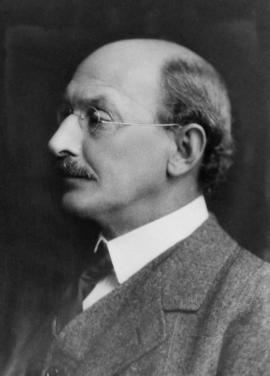
Note on a church at (?)Khaleiwa below Old Dongola by W. R. G. Bond
- Griffith MSS 20.15
- Item
- 27 June 1930

4253 results with digital objects Show results with digital objects
Note on a church at (?)Khaleiwa below Old Dongola by W. R. G. Bond
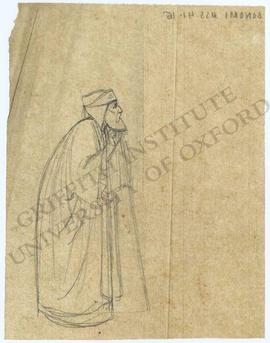
Stooped old Jewish man leaning on stick
Part of Joseph Bonomi Collection
Stooped old Jewish man leaning on stick:
Head of mummified remains of Ramesses II
Part of Walter Ewing Crum Collection
Two parchment fragments, magical, bought in Cairo in 1905 by Petrie.
Literary fragment sent to Crum by Rendel Harris.
5 parchment fragments Petrie - Crum 1897, magical.
Parchment and papyrus fragments from R. Mond 1903 (some from front of Tomb of Sennefer).
Part of Walter Ewing Crum Collection
Material relating to the Woide Collection held at the Bodleian Library, University of Oxford. Includes notebook on the Woide manuscripts, two page handwritten list of the Woide Collection, and one envelope of photostats.
Former catalogue description: Woide's Collection - White Monastery - nos 21-30, 32-3, 35-47, 49, 51, 53, 57, 58, 62.
Clarendon Press White Monastery Leaves
Part of Walter Ewing Crum Collection
One photostat. Original envelope labelled 'Bodleian - Clarendon Press White Monastery Leaves from Woide Collection'.
Part of Walter Ewing Crum Collection
Photographs and photostats from the collections of Robert Huntington, Thomas Marshall and James Fraser collections held at the Bodleian Library, University of Oxford. File includes:
Hunt 3 (2 copies)
Hunt 5 (2 copies)
Hunt 394 (2 pages, 2 copies)
Hunt 393 (2 photographs)
Fraser Or. 257 (Arabic)
Marshall Or. 32, 17.
Original envelope labelled: 'Photographs and photostats of: Hunt 3, 5, 394, 393; Marshall Or. 32, 17; Fraser Or. 257 (Arabic)'
Part of Walter Ewing Crum Collection
Photostats originally labelled 'Photostats Coptic/Arabic Bodleian 325'.
Part of Walter Ewing Crum Collection
Photostats and photographs of material held at the Bodleian Library, University of Oxford.
James Teackle Dennis Collection
Some 250 facsimile copies of graffiti and ostraca found by E. Naville at Deir el-Bahari, probably mostly in the Hathor-cow Chapel, in 1906-7.
Dennis, James Teackle
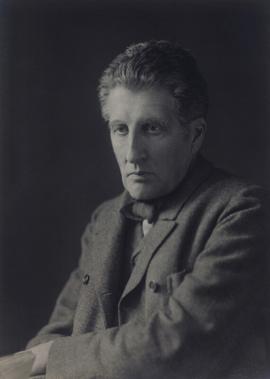
Card indexes used in compilation of the Coptic Dictionary, photographs, photostats, notebooks, notes, correspondence, newspaper cuttings, negatives, and casts.
Crum, Walter Ewing
181 paper squeezes
Arranged in five original portfolios containing mounted squeezes, one package containing loose squeezes, and one metal plaque/plate (kept in package with squeezes). These squeezes were made from scenes in three tombs at Thebes: the pharaoh Sethos I (KV 17) and two high-ranking officials, Khaemhet (TT 57) and Paser (TT 106). The squeezes were almost certainly produced and sold as tourist 'souvenirs'. Revd Stobart acquired the paper squeezes during his visit to Egypt in 1854-5.
The squeezes are catalogued as part of the Griffith Institute Squeezes Collection and numbered Griffith Institute Squeezes 4.1-106.
Metal plaque/plate
The plaque measures approximately 36 cm x 25.5 cm and has Coptic text in the Bohairic dialect written on both sides; the lettering was possibly originally painted or inked but is now faded or has peeled/flaked off. A small hole at one edge may indicate that the plate was hung initially, which could relate to the practice of Coptic texts being written on plates and displayed in monasteries. The text on
The text on the better preserved of the two sides, is a Bohairic thanksgiving prayer: ⲉⲑⲃⲉ ⲫⲁⲓ ⲧⲉⲛϯϩⲟ ⲟⲩⲟϩⲧⲉⲛⲧⲱⲃϩ ⲛ̀ⲧⲉⲕⲙⲉⲧⲁ̀ⲅⲁⲑⲟⲥ ⲡⲓⲙⲁⲓⲣⲱⲙⲓ: ⲙⲏⲓⲥ ⲛⲁⲛ ⲉⲑⲣⲉⲛϫⲱⲕ ⲉ̀ⲃⲟⲗ ⲙ̀ⲡⲁⲓⲕⲉⲉ̀ϩⲟⲟⲩ ⲉⲑⲟⲩⲁⲃ ⲫⲁⲓ: ⲛⲉⲙ ⲛⲓⲉ̀ϩⲟⲟⲩ ⲧⲏⲣⲟⲩ ⲛ̀ⲧⲉ ⲡⲉⲛⲱⲛϧ: ϧⲉⲛ ϩⲓⲣⲏⲛⲏ ⲛⲓⲃⲉⲛ ⲛⲉⲙ ⲧⲉⲕϩⲟϯ. ⲫⲑⲟⲛⲟⲥ ⲛⲓⲃⲉⲛ: ⲡⲓⲣⲁⲥⲙⲟⲥ ⲛⲓⲃⲉⲛ: ⲉ̀ⲛⲉⲣⲅⲓⲁ̀ ⲛⲓⲃⲉⲛ ⲛ̀ⲧⲉ ⲡ̀ⲥⲁⲧⲁⲛⲁⲥ: ⲡ̀ⲥⲟϭⲛⲓ ⲛ̀ⲧⲉ ϩⲁⲛⲣⲱⲙⲓ ⲉ̀ⲩϩⲱⲟⲩ ⲛⲉⲙ ⲡ̀ⲧⲱⲛϥ ⲉ̀ⲡ̀ϣⲱⲓ ⲛ̀ⲧⲉ ϩⲁⲛϫⲁϫⲓ ⲛⲏ ⲉ̀ⲧϩⲏⲡ ⲛⲉⲙ ⲛⲏ ⲉ̀ⲑⲟⲩⲱⲛϩ ⲉ̀ⲃⲟⲗ. Ⲁⲗⲓⲧⲟⲩ ⲉ̀ⲃⲟⲗ ϩⲁⲣⲟⲛ etc. Info. Alin Suciu, 19/11/2024, see https://www.facebook.com/share/p/15V2DmnTAB/.
Stobart, (Revd) Henry
Part of Walter Ewing Crum Collection
(a) The Times: 9.x.1895: Report on the Church Congress held at Norwich; various archaeological papers read, including A. H. Sayce.
(b) Academy: 7.ix.1895: Part of an article on the Hyksos by A. H. Sayce.
(c) Standard: 1.viii.1896: Discovery of Coptic MSS. by Dr Karl Schmidt.
(d) The Times: 17.iv.1897: “A New Syrian Version of the Apocalypse” (MS. belonging to Earl Crawford).
(e) Church Congress: 5.x.1898: Mr Montagu R. James on New Testament Apocrypha
(f) Catholic University Bulletin: 31.xii.1911: “The Pierpont Morgan Collections of Coptic MSS.”
(g) Theologische Literaturzeitung 1912: Pierpont Morgan Collection - Prof. Hyvernat
(h) The Times: 15.iv.1912: Discovery of a papyrus of Deuteronomy, Jonah and the Acts acquired by the British Museum.
(i) The Nation, N. York: 4.i.1912: Pierpont Morgan Collection - Prof. Hyvernat
(j) ? (German): 20.ii.1912: Pierpont Morgan Collection
(k) Strasbourg Post: 10.iv.1912: Pierpont Morgan Collection
(l) The Times: 14.v.1913: Freer MS. possibly from the White Monastery
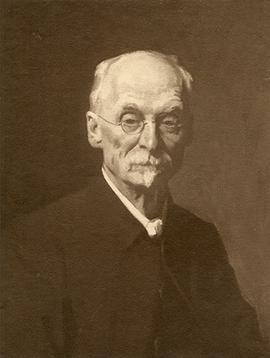
Archibald Henry Sayce Collection
Notes, photographs, squeezes, correspondence, and offprints. Contain, amongst others, references to Assyriological, Greek, Cypriot, and Egyptological material. Includes notes made by Petrie which were with Sayce at the time of his death.
Sayce, (Revd) Archibald Henry
Theodora Eyton-Jones Lantern Slides Collection
Consists of at least two sets of slides which have been combined. Made by a tourist(s), probably between 1910 and 1930. Views include Alexandria, Karnak, Luxor, Ramesseum, objects in the Egyptian Museum, Cairo, and scenes of daily life.
Eyton-Jones, Theodora
John de Monins Johnson Negatives Collection
313 black-and-white glass negatives made during the excavation of Antinoë (modern el-Sheikh Ibâda, opposite el-Ashmûnein, in Middle Egypt) in 1913-14 by John de Monins Johnson for the Graeco-Roman branch of the Egypt Exploration Society. The negatives are not accompanied by any supporting written records or descriptions of the photographed objects.
Johnson, John de Monins
Robert Elcum Horsfall Negatives Collection
450 negatives of Egyptian sites and monuments, taken before 1914.
Horsfall, (Capt) Robert Elcum
Photographs of foreigners as represented on various Egyptian monuments.
Meyer, Eduard
Arpag Mekhitarian Slides Collection
158 colour slides (35mm) of Theban Tomb scenes, made in Thebes in 1953-4.
Mekhitarian, Arpag
Rudolph Theophilus and Alice Lieder Squeezes Collection
Paper squeezes of monuments made in Egypt in 1850-3.
Lieder, (Revd Johann) Rudolph Theophilus
Kom Ombo Photographs Collection
20 mounted albumen prints of scenes from the Temple of Haroeris and Sobek Triads at Kom Ombo. Some annotations on mounts.
Laurence Patrick Kirwan Photographs Collection
45 photographs.
Kirwan, (Sir Archibald) Laurence Patrick
James Parker Simpson Photographs Collection
53 black & white photographs.
Simpson, James Parker
Philipp Remelé Photographs Collection
21 photographs. 13 of the Temple of Hibis at el-Khârga Oasis, and 8 of the Temple of Deir el-Hagar at el-Dâkhla Oasis.
Remelé, Philipp
John Phillips Slides Collection
2,500 slides (35 mm), taken in 1962 and 1963 at sites in Egypt and in the Egyptian Museum, Cairo. Folder containing typewritten and handwritten lists/catalogues.
Phillips, John
Peter Webb and Ron Davey Collection
Notes, colour transparencies and photographs of shabtis, monuments and other objects.
Webb, Peter
Gerald Avery Wainwright Photographs Collection
Photographs of Egyptian sites and museum objects.
Wainwright, Gerald Avery
Heathcote Negatives Collection
Negatives of Egyptian antiquities, scenes of daily life, and landscapes.
Heathcote, Reginald St. Alban